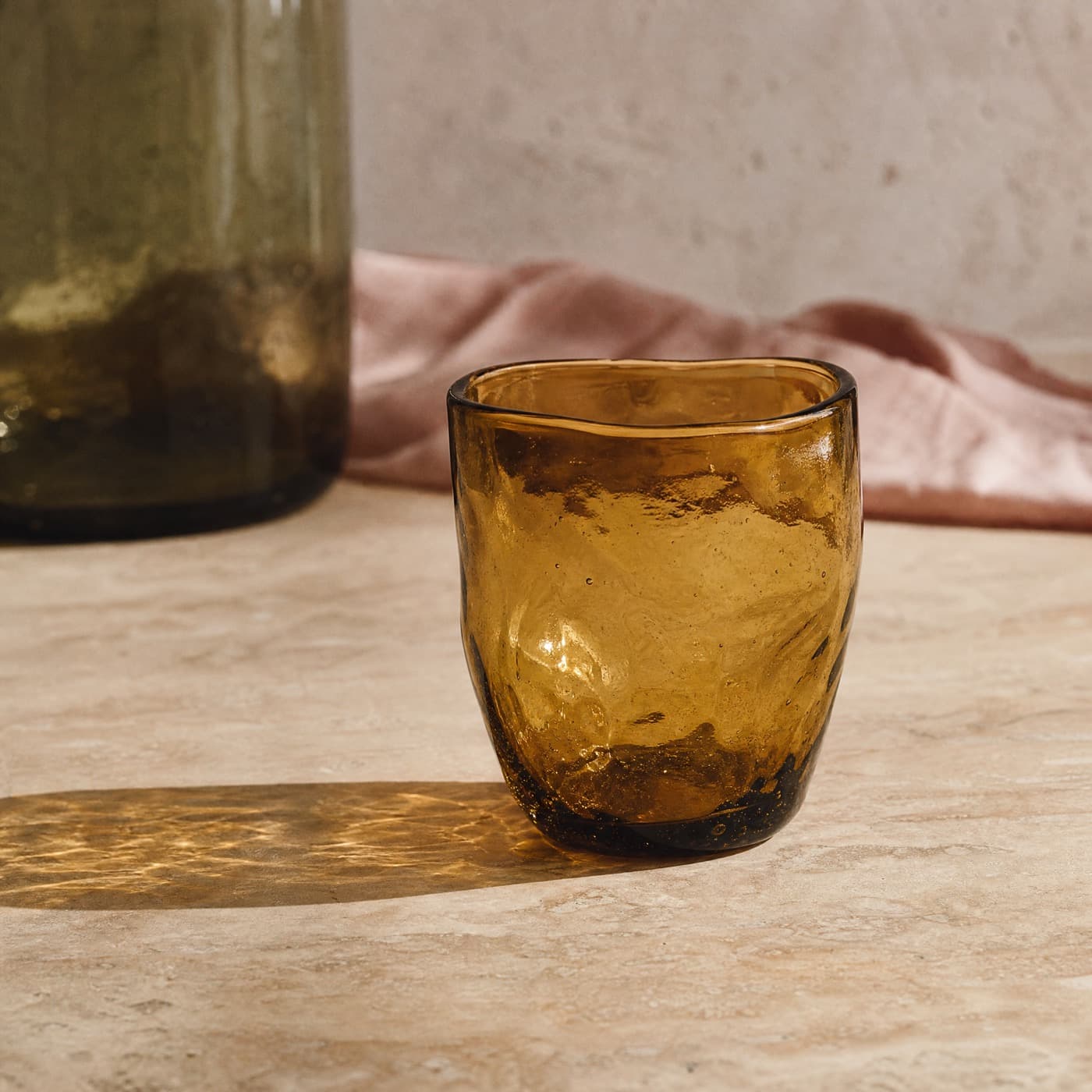
Mouth-Blown Irregular Glass 280 ml
AmberThrough-coloured
DKK 245inkl. moms
Free delivery within Denmark on orders over DKK 600. Delivery, packing and damage
Coloured glass, from Aarhus
Glass does not have a colour so much as it hands one on. We publish what each piece is made of, whether the colour runs through it or sits on its surface, and what it actually looks like under four different lights — before you buy it, not after.
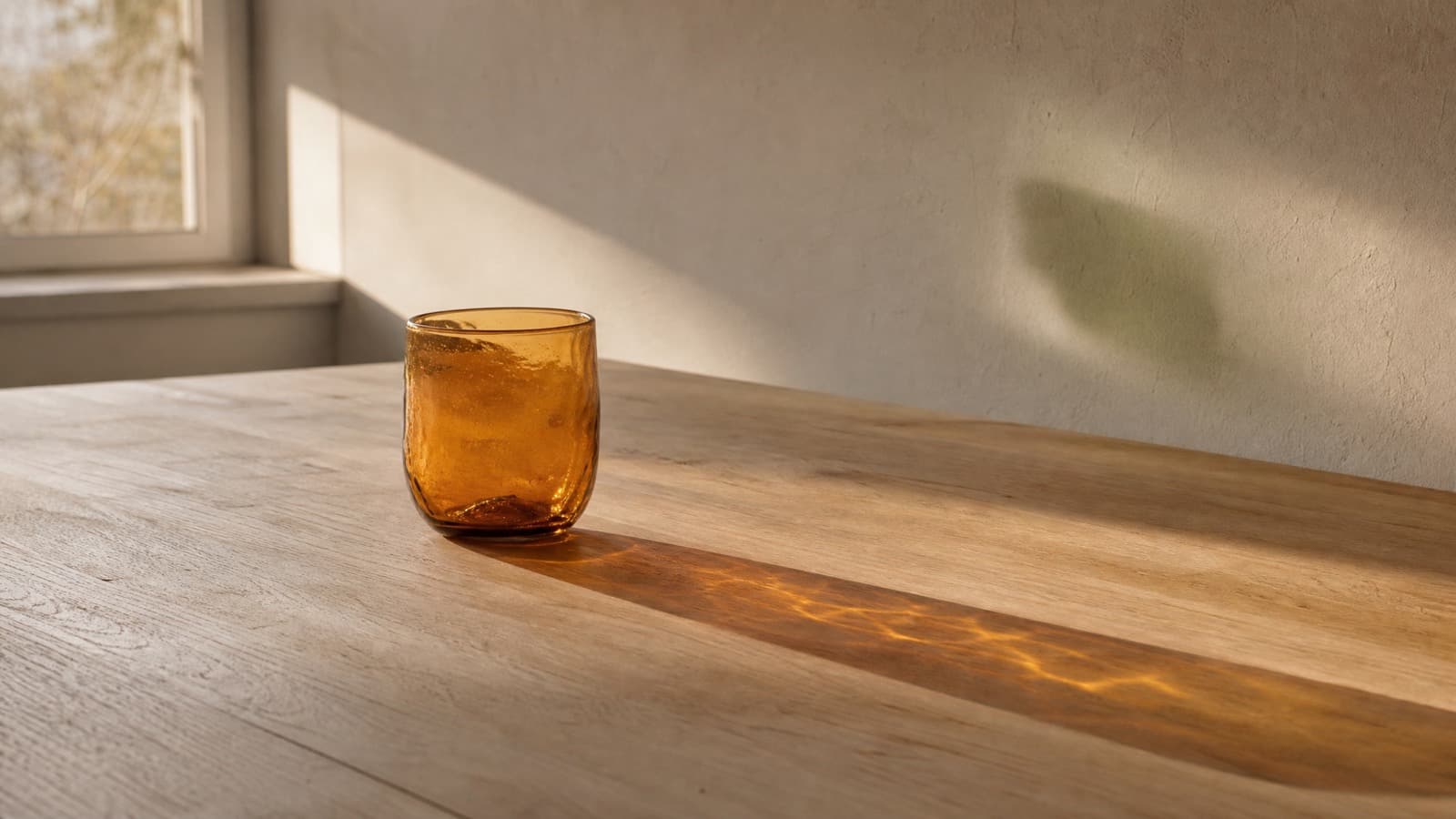
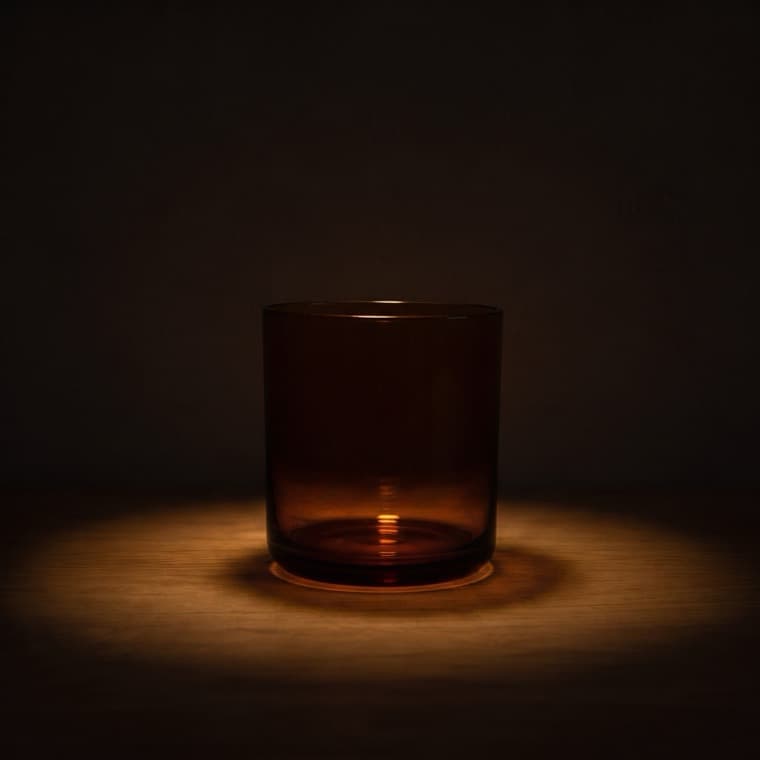
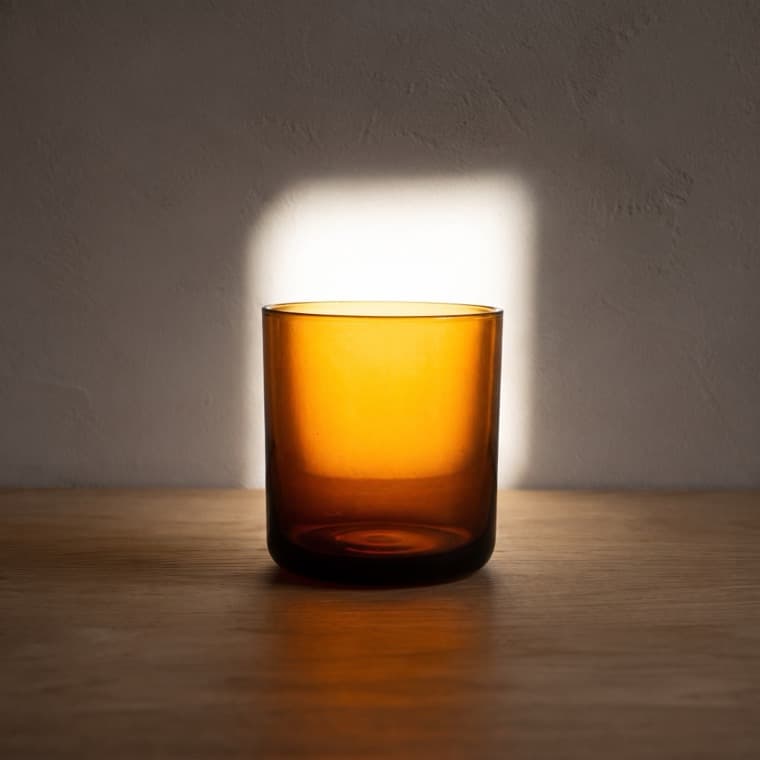
The same glass, four times
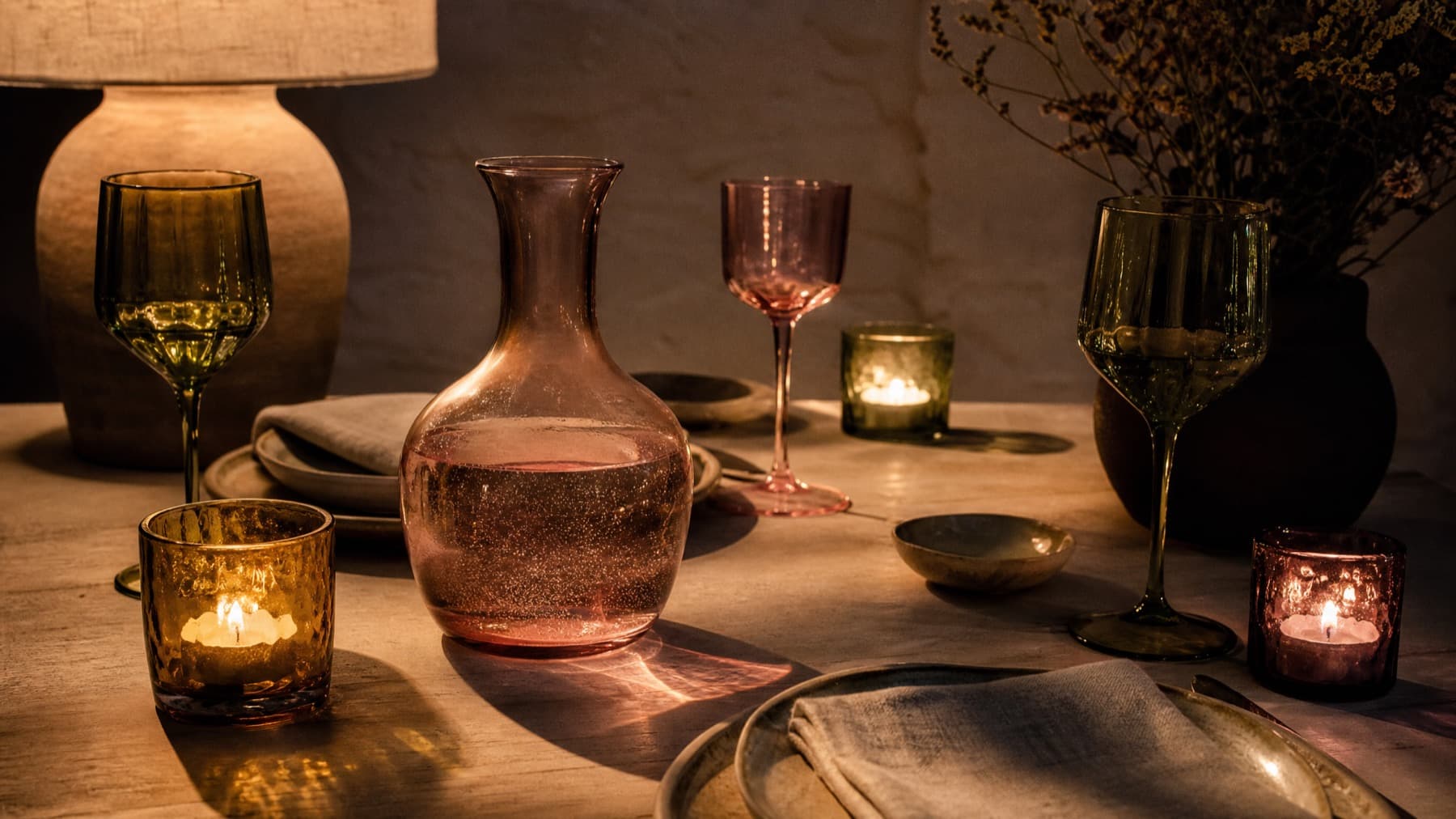
Four separate photographs, one per light condition. Nothing here is one picture with a filter over it — a filter would show you a colour the glass does not have.
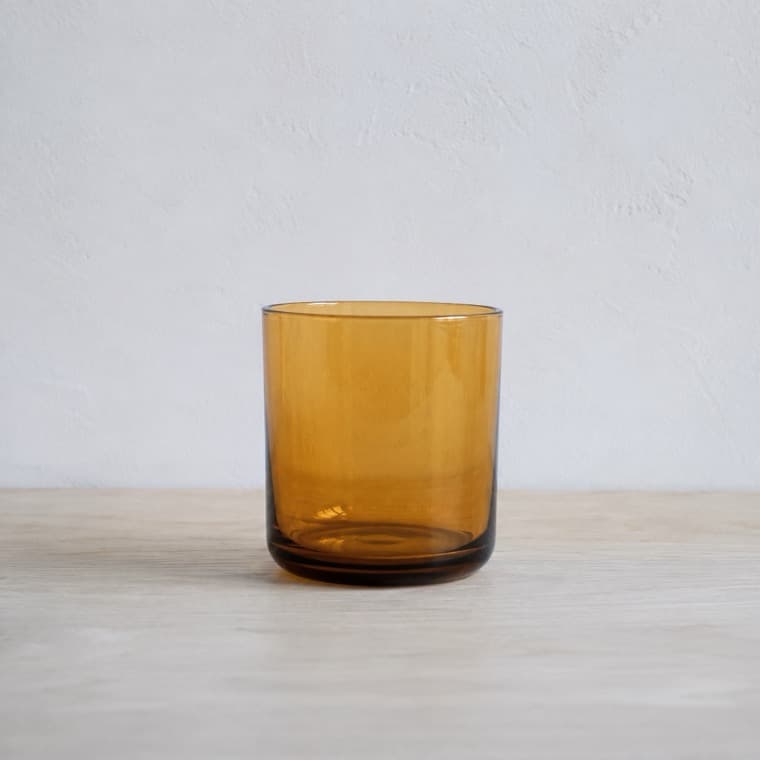
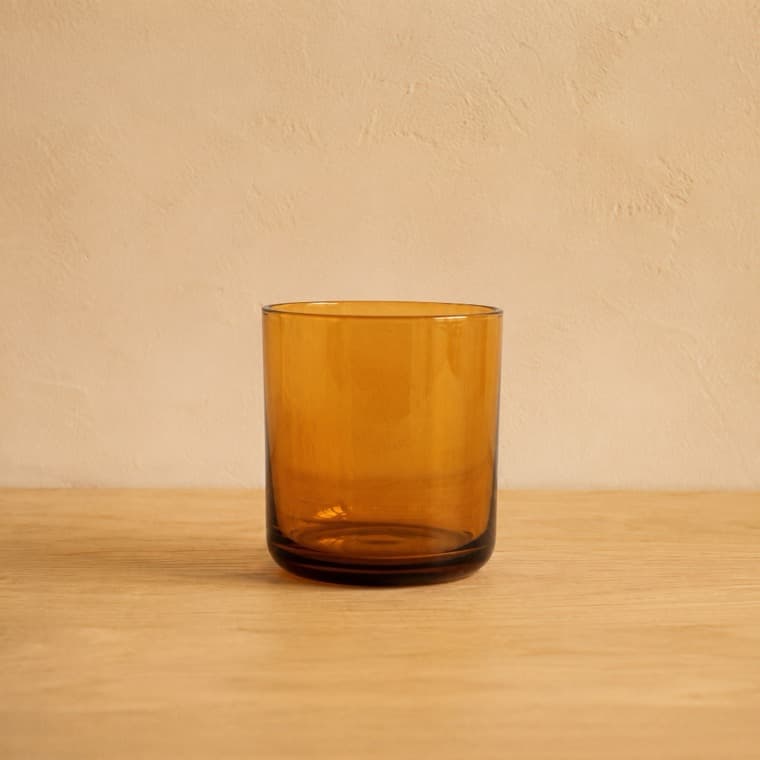
Where the colour is
One survives a decade of dishwashing. The other does not. Every piece here says which it is, on the card and on the page, before you get as far as the price.
Every one of the 43 pieces in this range is through-coloured. That is a deliberate limit, not a coincidence — it is why the range is small, and it is why nothing here comes with a warning about the colour wearing off.
Colour and light, in full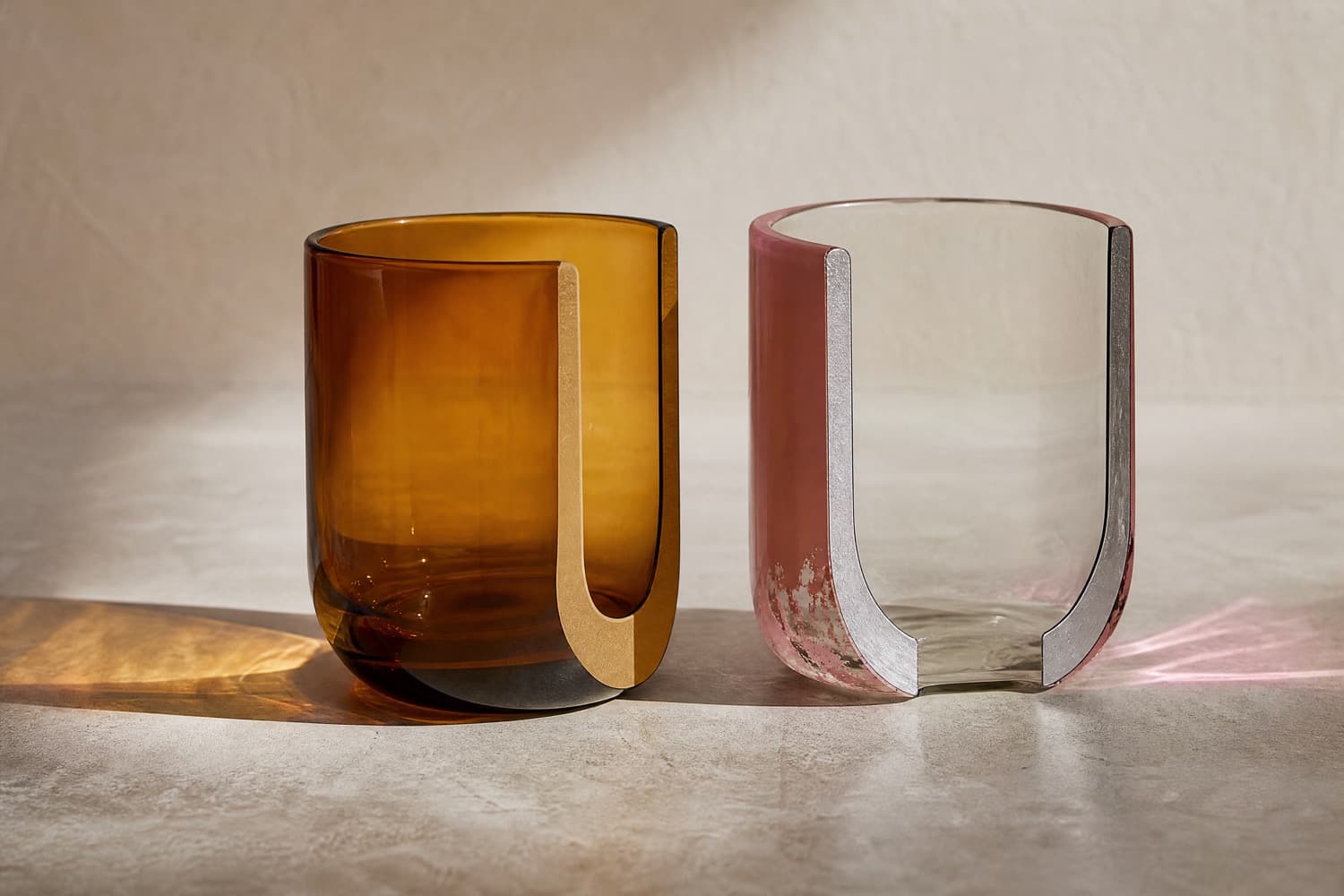
Over about four minutes
This is the whole argument for buying coloured glass rather than a coloured object: what you are actually buying moves around the room all day, and it is never quite the same colour twice.
Colour Preview
Pick the light you actually have at home, then pick a colour. What you get back is a photograph taken under that condition — not this page tinting an image to guess for you.
These are photographs, not a colour match
Screens do not show glass accurately. These are photographs taken under stated light conditions, not a colour match — the object will look different again in your own room.
Water Glass 250 ml in Amber, through-coloured, under daylight.
North-facing window, no direct sun, about 5600 K. The colour runs through the glass, so it does not wear off the surface.
See the full specification for Water Glass 250 ml43 pieces, DKK 105 to DKK 595
AmberThrough-coloured
DKK 245inkl. moms
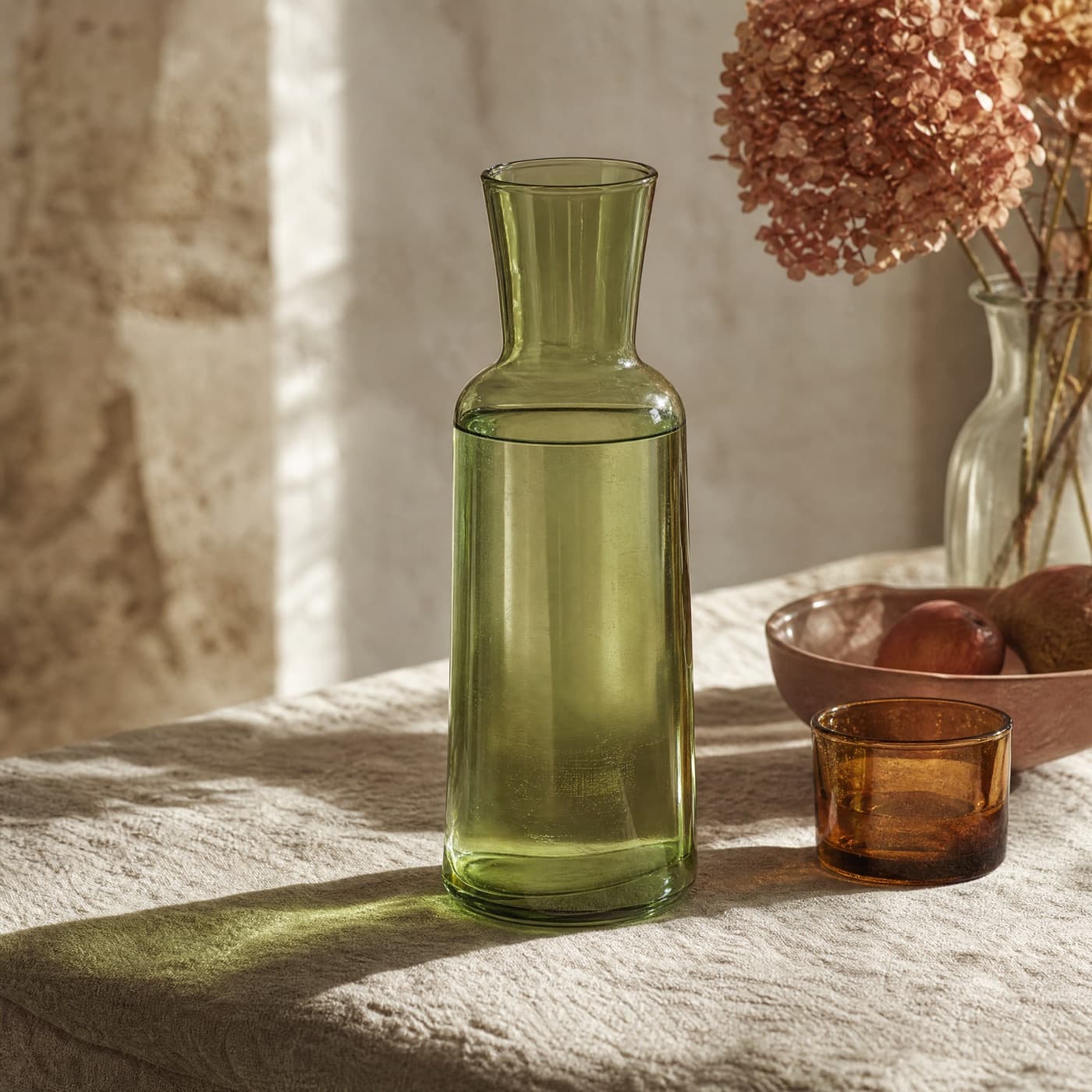
Glass GreenThrough-coloured
DKK 345inkl. moms
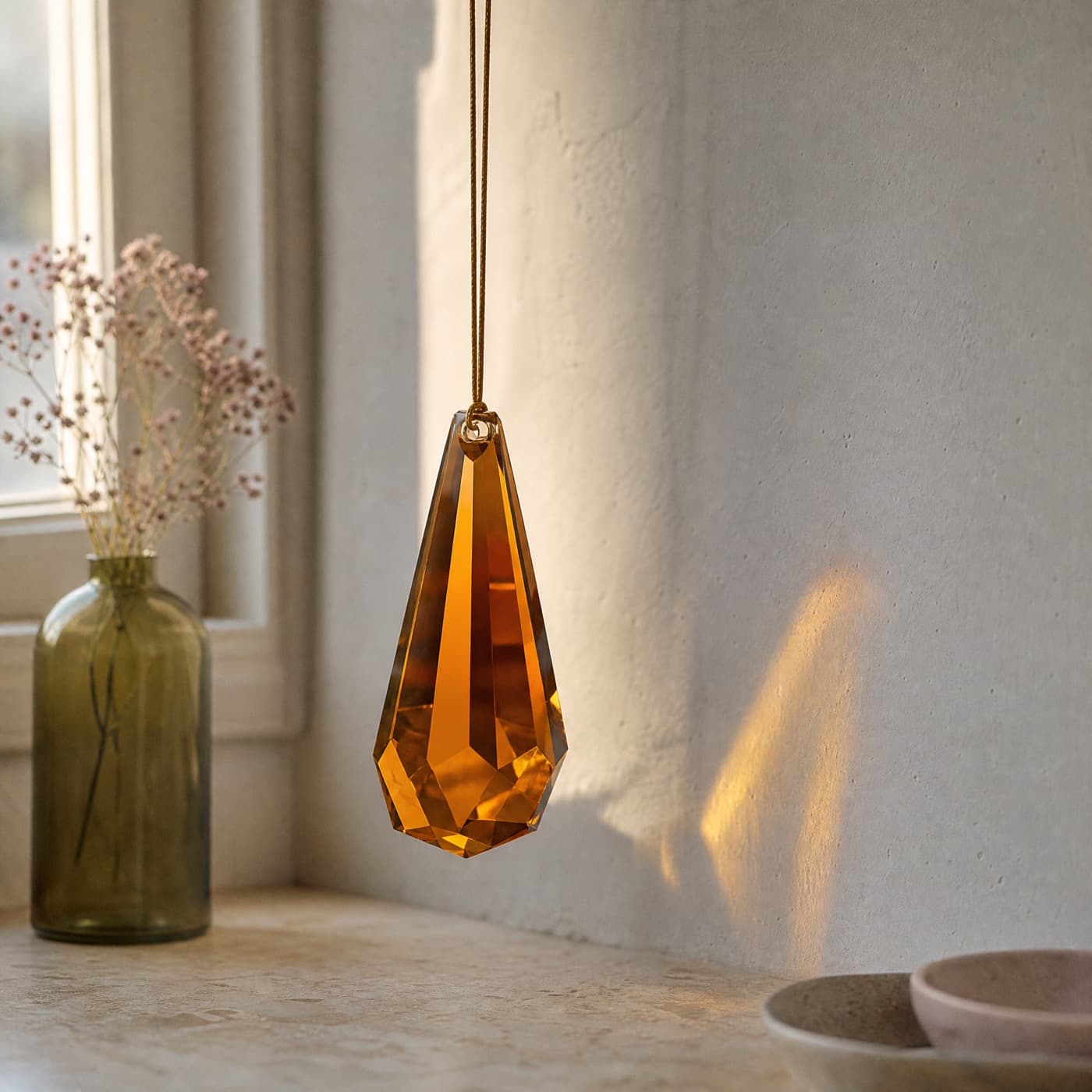
AmberThrough-coloured
DKK 145inkl. moms
For decoration only — not for food
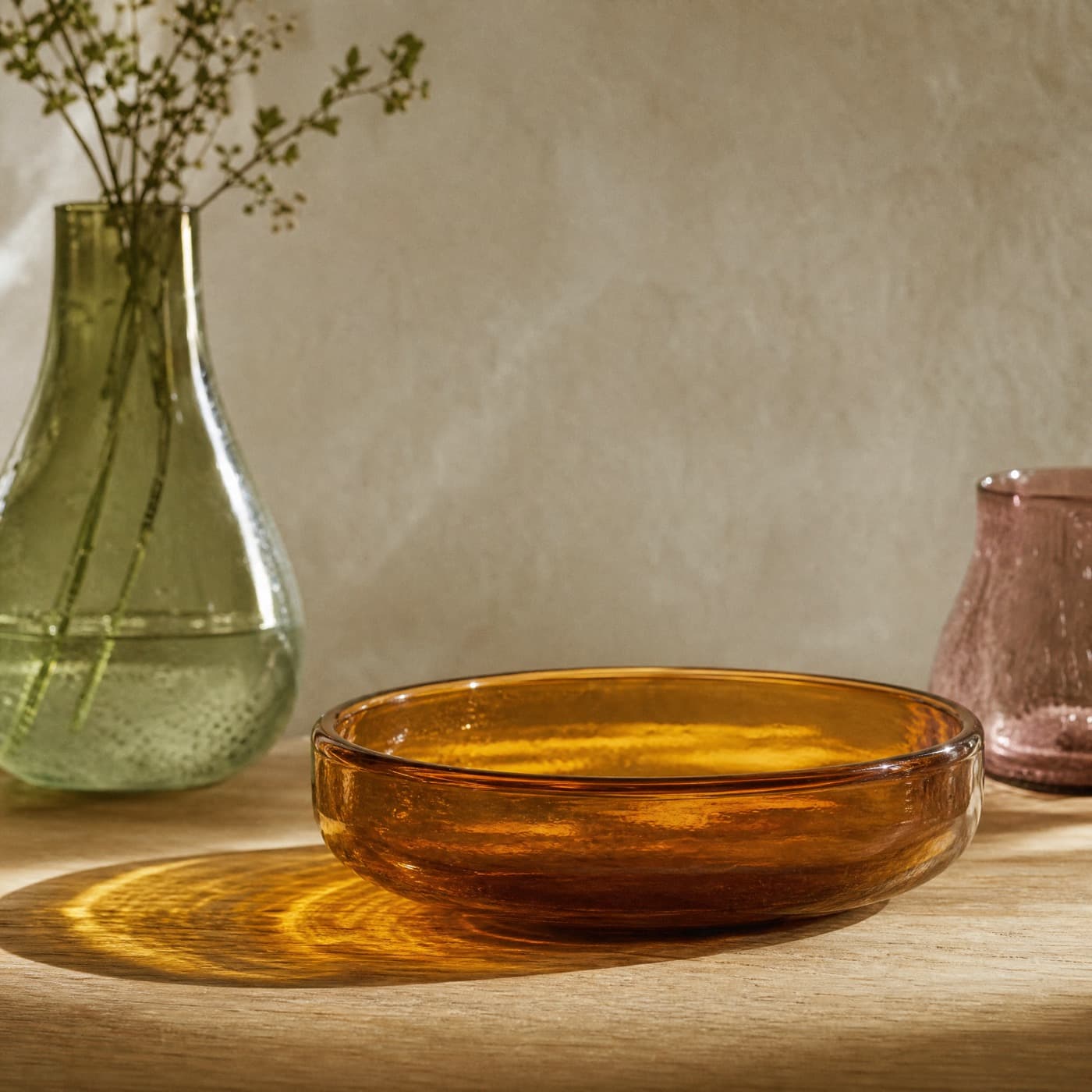
AmberThrough-coloured
DKK 325inkl. moms
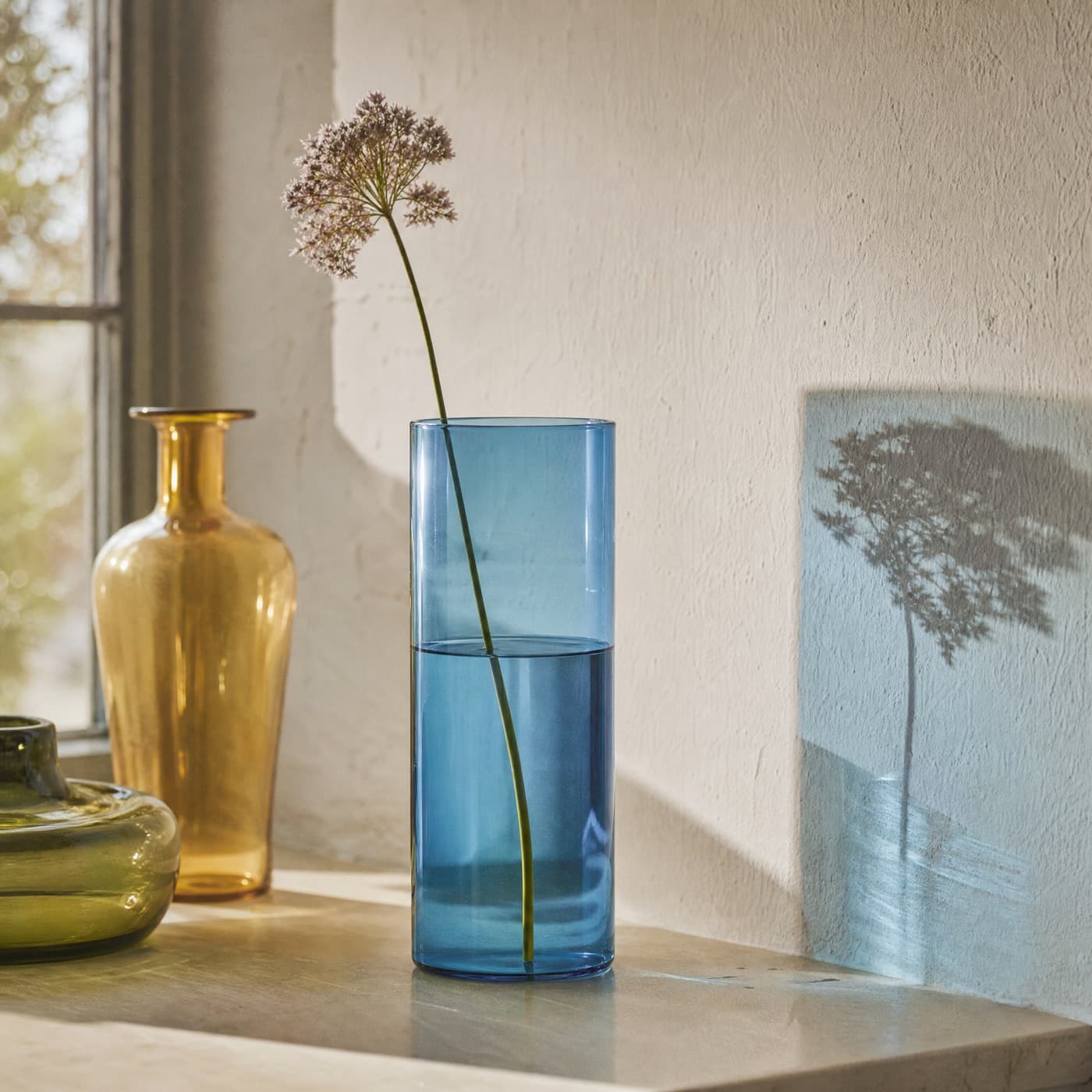
SeaThrough-coloured
DKK 215inkl. moms
For decoration only — not for food
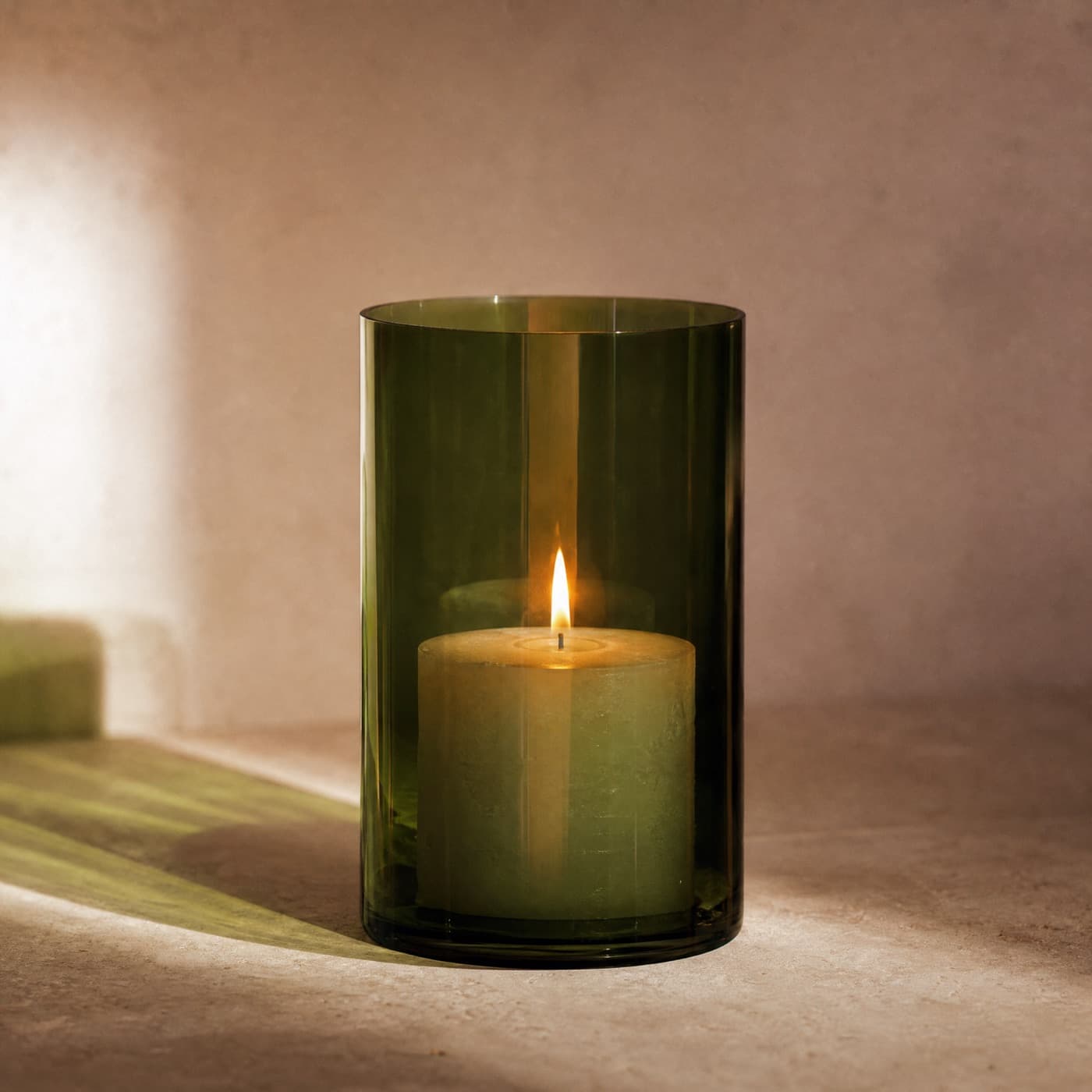
Glass GreenThrough-coloured
DKK 345inkl. moms
For decoration only — not for food
What we have to tell you
None of this is small print. Food contact, temperature, open flame and breakage are the four things that decide whether a piece of glass is safe for what you want to do with it, so each one has its own page and its own line on every product.
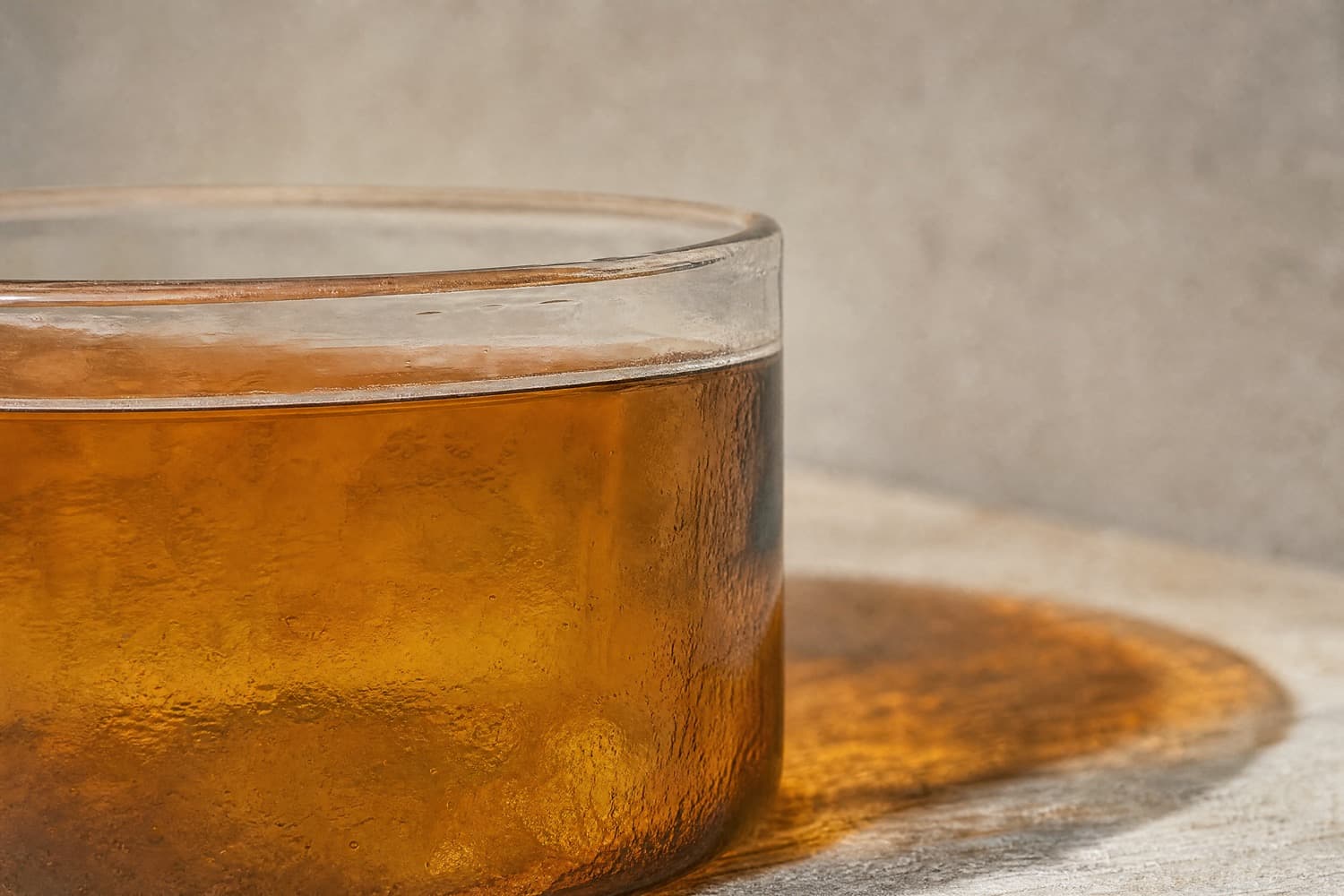
Everything here is lead-free — no lead crystal is sold at all. Drinking glasses have no coating within 20 mm of the rim, and every piece has a declaration of conformity under EU 1935/2004 you can ask for. Pieces not intended for food say so on the card.
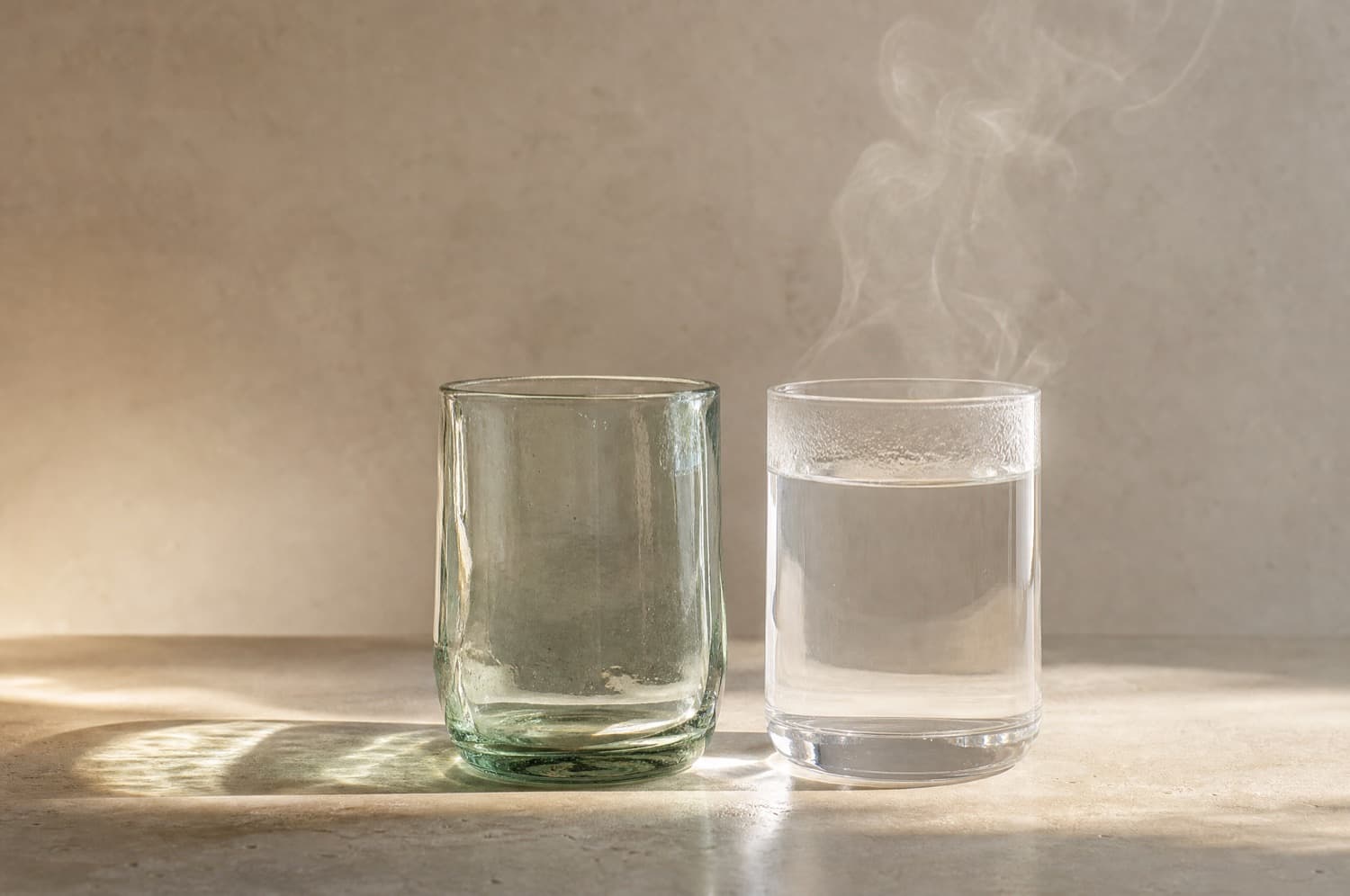
Soda-lime glass does not take sudden temperature change and is not for boiling water. Borosilicate takes about 120 °C of change. Each piece carries its own ceiling in °C rather than a general reassurance.
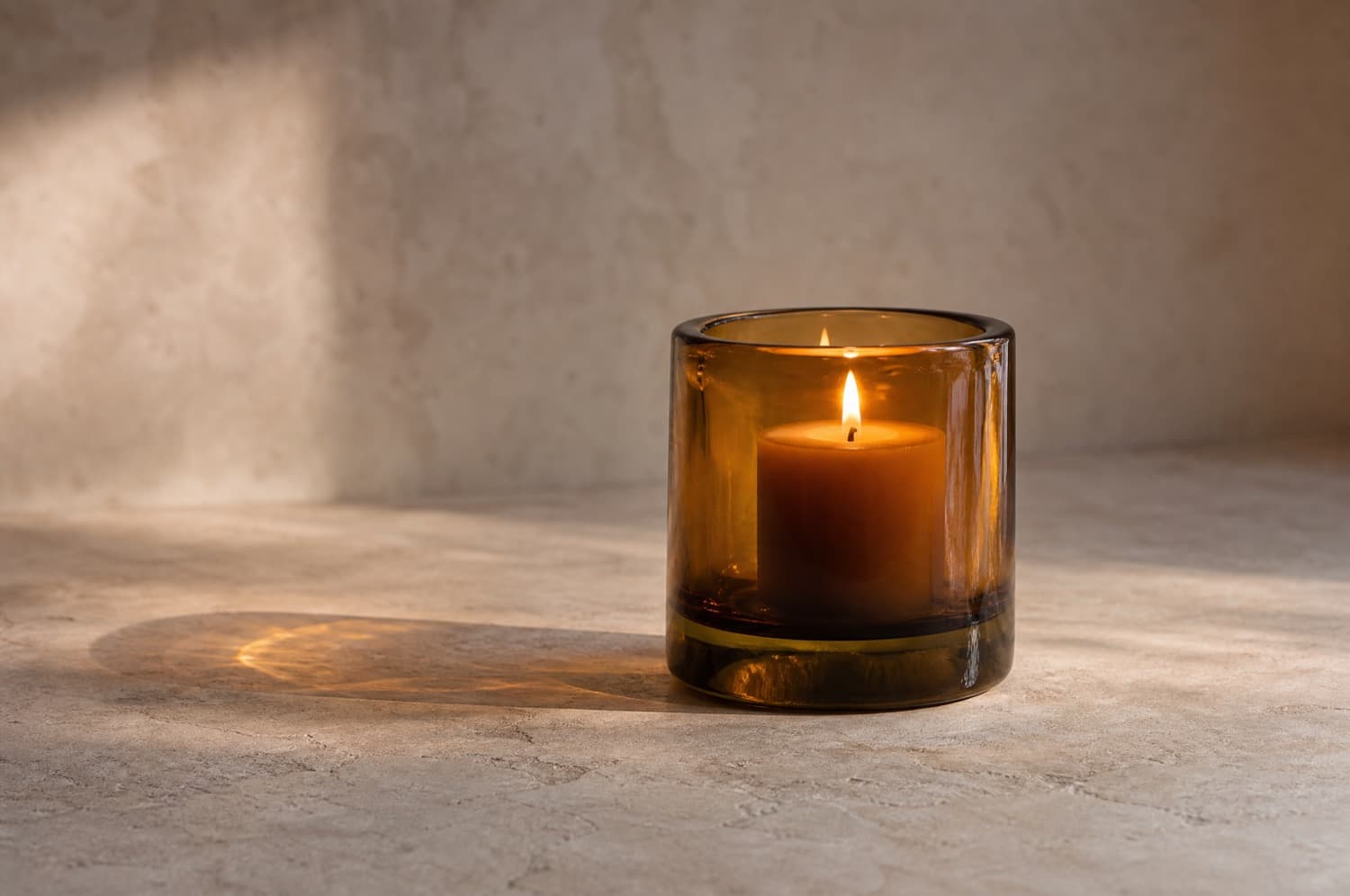
Every candle holder states the candle diameter it is made for. Glass heated by a flame can crack, and broken glass cuts — both are written on the product, not buried in a policy.
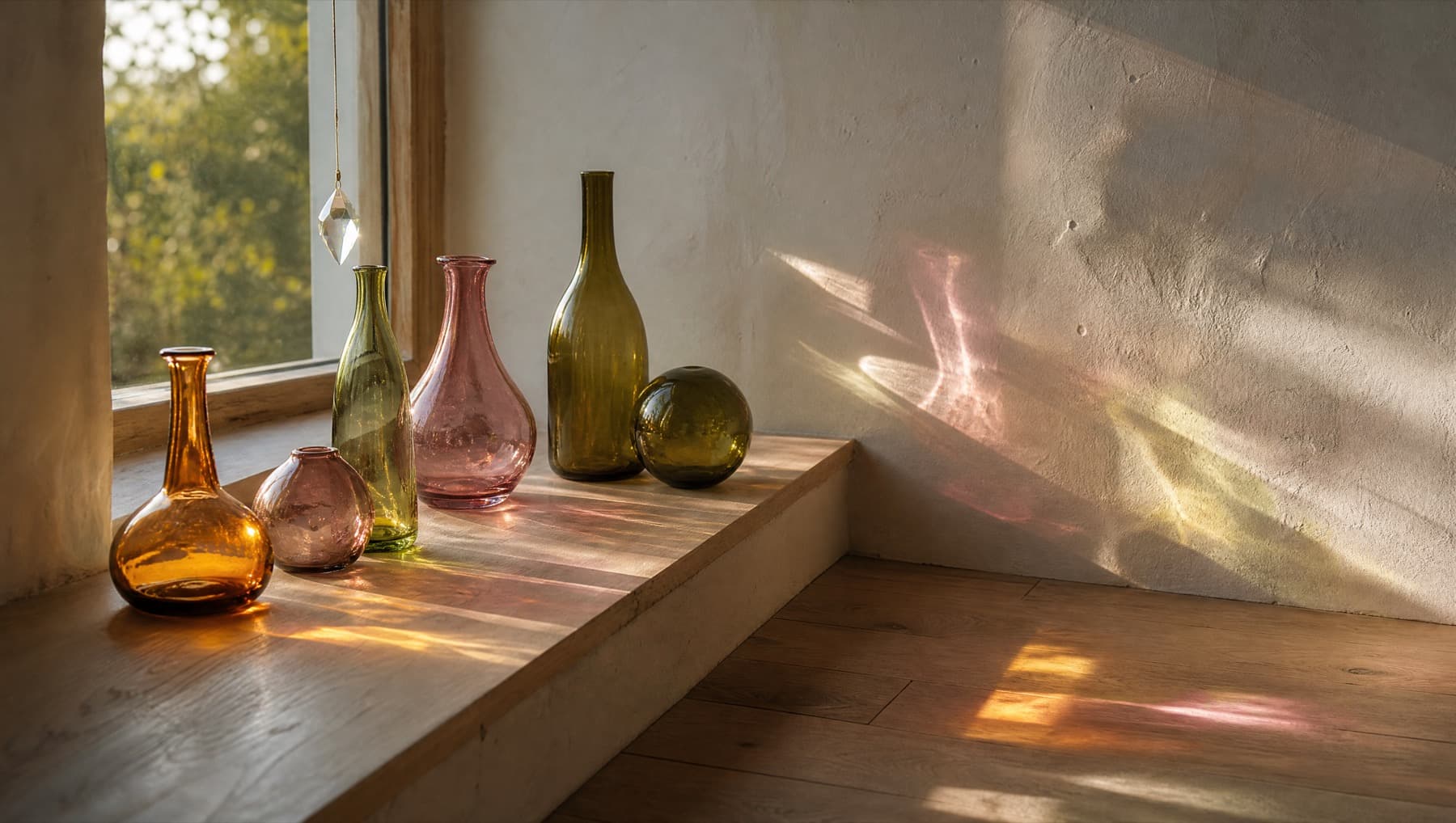
Standard withdrawal form included, returned unused in its original packaging.
Read the termsThe statutory right of complaint under Danish law, separate from and on top of withdrawal.
Read the termsGlass does break in transit. Report it within 7 days and we handle it.
Read the termsRates for every destination we ship to are published in full.
Read the termsIf you are still unsure
Colour behaves differently in a north-facing room than a south-facing one, and differently again under whatever lamp you switch on at six. Send us the room and we will tell you which colours hold up in it — including when the answer is none of ours.
A one-off reply from a person. Not a subscription, and not a mailing list you have to leave later.
Skt. Pauls Kirkeplads 9 A, st. 2, 8000 Aarhus C, Denmark